Payments speed up betting operations
Alt: Withdrawing funds from the betting app on a phone
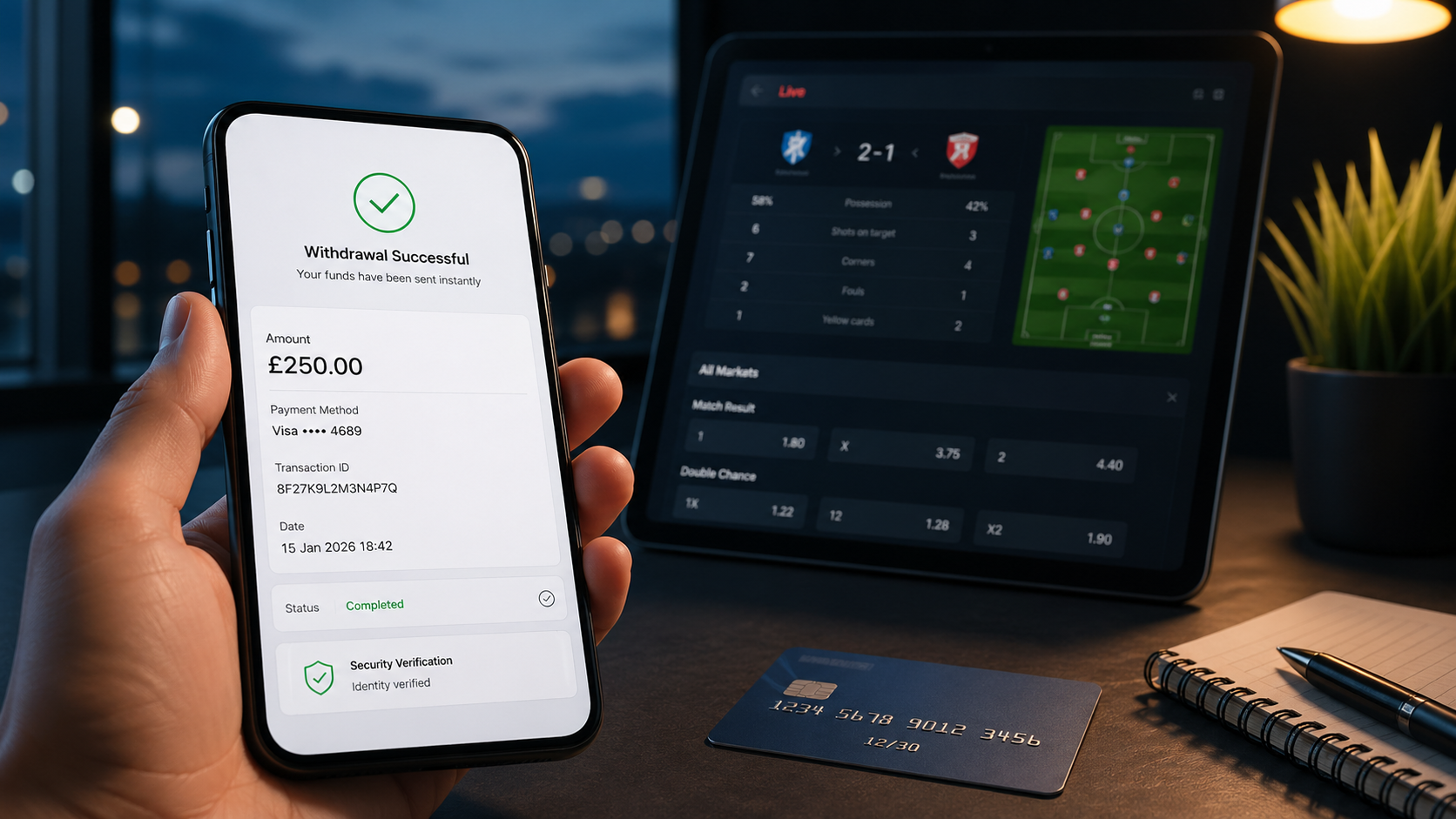
Payment technology is taking a larger role in online betting operations in 2026. Recent industry updates show that deposits, withdrawals, and account checks are now treated as part of the core product, not as a background service. In a market where large platforms such as bizbet girş also depend on fast payment flow and reliable verification, the reason is clear: users expect financial operations to work quickly, while operators need stronger control over risk and account security.
A February 2026 industry report from Focus Gaming News noted that payments are now central to iGaming growth, with operators paying more attention to local methods, transaction speed, and approval rates. This shift is visible across betting and casino products, where payment delays can affect activity during busy sports periods.
The change is not only about faster withdrawals. It also affects deposits, fraud checks, identity review, and payment routing. When these parts work better together, the financial side of a betting platform becomes easier to manage.
Live betting adds pressure to payments
Live betting creates extra pressure on payment systems. During a major event, users may add funds, check balances, or request payouts while markets are moving quickly. In live-focused sections such as 1xbet canlı, slow processing can interrupt the session and create more work for support teams.
Payment providers and iGaming technology firms are now focusing on instant withdrawals, payment routing, and faster approval checks. A recent 2026 payments report described instant withdrawals as a standard expectation rather than a premium feature, especially as users become used to quick digital payments in other areas.
This does not mean every transaction can be instant. Verification, banking rules, and security checks still matter. But the direction is clear: payment systems are being built to reduce waiting time where possible.
What payment tools now solve
Before listing the main changes, it is important to separate speed from risk. Faster payments are useful only when checks remain reliable. Operators need tools that can process transactions quickly without weakening control over fraud, failed payments, or account misuse.
The main improvements include:
- Faster deposit confirmation during busy events
- Shorter withdrawal review times
- Smarter routing between payment providers
- Better fraud checks before approval
- Clearer tracking of failed transactions
These changes mostly happen behind the scenes. Users may only notice that balances update faster or that fewer transactions get stuck.
How payment works is changing
Payment systems now affect several parts of betting operations at once. They are tied to product planning, customer support, finance teams, and compliance checks. This makes payment technology a daily operational issue rather than a small technical detail.
|
Area |
Older setup |
2026 direction |
|
Deposits |
Manual delays in some cases |
Faster confirmation |
|
Withdrawals |
Longer review windows |
Shorter processing cycles |
|
Risk checks |
Separate from the payment flow |
Closer transaction monitoring |
|
Payment routing |
Fixed provider paths |
More flexible routing |
|
Support workload |
More payment-related tickets |
Fewer basic delay complaints |
Security stays part of the process
Speed is not the only target. Payment systems also need stronger security. Industry technology reports in 2026 point to fraud prevention, safer payment methods, and faster regulatory responses as major forces in iGaming operations.
This is why operators cannot simply remove checks to make payments faster. Identity review, payment limits, and suspicious activity alerts remain important. The main task is to make these checks less slow and more accurate.
A quieter but important shift
Payment technology is not always visible in betting products. It does not change the match, the odds, or the event itself. Still, it affects how smoothly the platform works during real use.
In 2026, faster payment tools will become part of the basic structure behind online betting. The strongest effect is practical: fewer delays, better transaction checks, and smoother financial operations during busy sports periods.
