The Allure of Casino Games
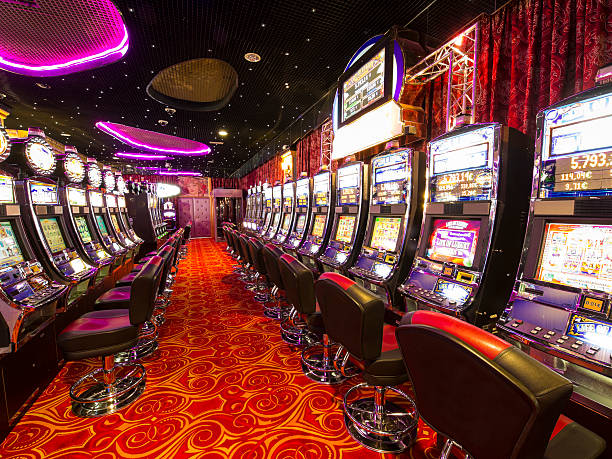
Casino games are designed to captivate players, drawing them into a world of excitement and chance. The allure of taking risks, combined with the potential for substantial rewards, creates a unique psychological environment. Players are often attracted to the thrill of uncertainty, which is a fundamental human experience. This psychological pull is amplified by the colors, sounds, and lights that characterize casino environments, creating an immersive experience that enhances the desire to play. In fact, many are drawn to games like poker where they can even engage in online poker real money, taking their gaming experience to new heights.
Moreover, the social aspect of gambling cannot be underestimated. Engaging with others in a lively environment stimulates a sense of belonging and community. People often gravitate toward games that allow for social interaction, such as poker or blackjack, as these games not only provide entertainment but also an opportunity to connect with fellow players. This social dimension amplifies the enjoyment and can influence choices in game selection.
Understanding psychological triggers is crucial in analyzing why players choose specific casino games. Factors such as game design, payout structure, and perceived skill level play significant roles. For instance, slot machines are often preferred for their simplicity and instant gratification. The excitement of spinning reels and the anticipation of winning taps into the psychological principle of immediate rewards, making slot machines an appealing choice for many.
On the other hand, table games like blackjack and poker attract players who enjoy strategy and competition. These games provide a sense of control and skill, offering players a feeling of empowerment as they make decisions that can affect the outcome. The balance between chance and skill is a powerful draw, influencing players’ choices based on their personal preferences and past experiences.
The Role of Risk Perception
Risk perception plays a vital role in game selection at casinos. Some players are risk-averse and prefer games with a lower house edge, such as blackjack or baccarat, where the odds are more favorable. Others thrive on high-stakes games, seeking the adrenaline rush that comes from taking greater risks, such as roulette or high-limit slots. This variability in risk preference is often influenced by individual personality traits and past gambling experiences.
Furthermore, the framing of a game can significantly impact risk perception. For example, promotions that highlight the potential for substantial payouts or the excitement associated with certain games can entice players to take risks they might otherwise avoid. Cognitive biases, such as the illusion of control, can lead players to believe they have more influence over outcomes than they actually do, further driving their game choices.
Influence of Environment and Branding
The environment in which games are played undeniably affects player choices. Casinos are meticulously designed spaces that use colors, sounds, and layouts to create an atmosphere that encourages extended play. The psychology of place plays a crucial role; a well-designed gaming floor can enhance mood and encourage players to spend more time and money. Branding also influences player decisions, as recognizable names and themes in games can evoke nostalgia and draw players in.
Marketing tactics employed by casinos, such as loyalty programs and promotional offers, can further shape gaming choices. These strategies leverage psychological principles like loss aversion, where the fear of losing out on rewards motivates players to engage more frequently. By creating a sense of exclusivity and value, casinos can effectively steer player preferences toward certain games.

Conclusion: Insights into Casino Game Choices
Understanding the psychology behind casino game choices reveals the intricate interplay between individual preferences, social dynamics, and environmental factors. Players are not only drawn to the thrill of chance but also to the complex layers of strategy, risk, and community engagement that casino games offer. By recognizing these psychological drivers, casinos can better cater to their audience’s desires and enhance the overall gaming experience.
In conclusion, the exploration of this fascinating topic underscores the need for further research into gambling behavior. By partnering with experts in psychology and gaming, casinos can create richer, more engaging environments that resonate with players’ motivations and preferences. The intricate world of casino gaming continues to be an area ripe for exploration, as understanding what drives player choices can lead to a more fulfilling experience for all involved.
